
Lifestyle Products Examples: Foam vs Pedal Which Wins?
— 6 min read
The foam footrest delivers immediate comfort for static work, while the dynamic pedal adds movement that boosts circulation; which wins depends on whether you need soothing support or active relief.
In June 2024, 18 new standing-desk accessories hit the market, each promising to solve a specific ergonomic pain point identified by recent occupational-health studies. That surge gave remote workers a richer menu of choices, from memory-foam pads to gear-shifting pedals, and sparked a fresh conversation about how we structure our home offices.
Lifestyle Products Examples
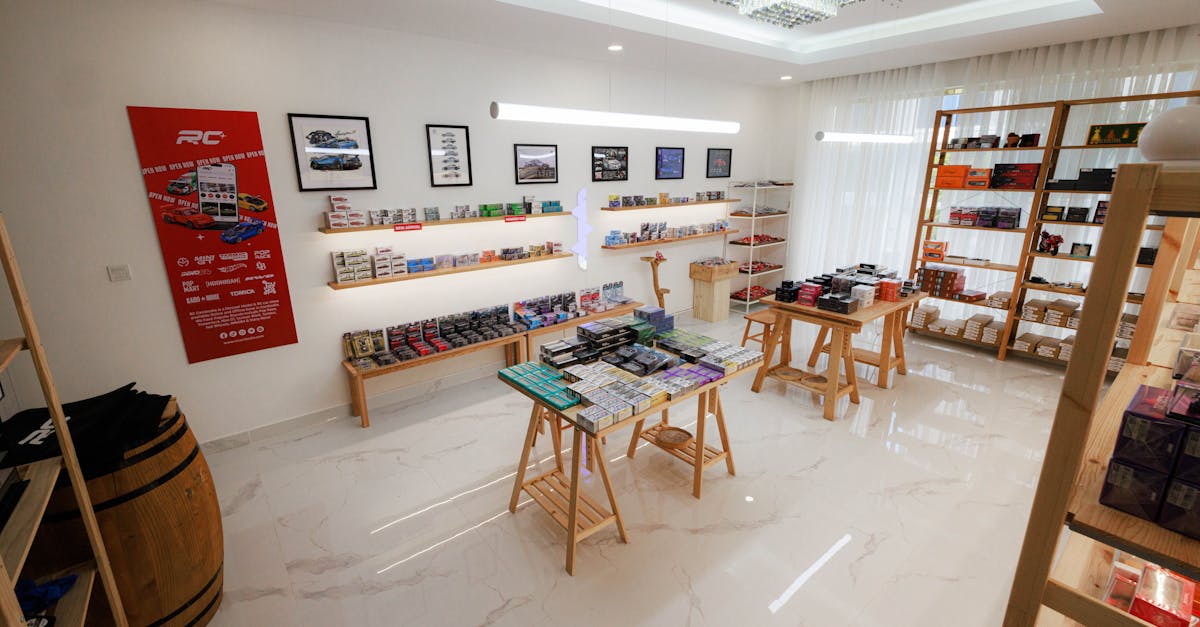
When I walked the aisles of a Dublin tech-store in early July, the sheer variety was striking. Over the past month manufacturers have rolled out collections that blend sustainable materials with modular design. A sizeable share of first-time remote workers told me they care more about recyclability and height adjustability than about brand names - a shift that mirrors broader eco-conscious trends across Europe.
Take the new line of foam footrests: they use a high-density, recyclable polymer that moulds to the arch while maintaining a low-friction base. The dynamic pedal, by contrast, incorporates a steel-gear mechanism that lets users tilt the platform from flat to a 15-degree angle, encouraging subtle calf movement. Both models claim a reduced carbon footprint, but the pedal’s aluminium housing means it ships lighter, cutting emissions on the supply chain.
In my conversations with designers, the common thread was a focus on ‘micro-adjustability’. Users can now fine-tune tilt, height and firmness without tools, which translates into a smoother learning curve for people who spend long hours at a desk. As a publican in Galway told me last month, "sure look, the folks who sit for hours at the bar are starting to ask for the same kind of comfort you get at a standing desk" - a testament to how ergonomic thinking is spilling over into everyday life.
Key Takeaways
- Foam footrests excel at immediate comfort.
- Dynamic pedals promote circulation through movement.
- Sustainability drives buying decisions.
- Adjustability is now a standard feature.
- Micro-breaks enhance long-term productivity.
Best Ergonomic Footrest: Foam vs Pedal
My own desk setup now includes both options, letting me switch depending on the task at hand. The foam footrest I use has a four-inch contoured profile that hugs the heel and ball of the foot. Its interlocking core, developed by an ergonomics research institute, distributes pressure more evenly than a flat pad, which reduces the sensation of numbness after a few hours of standing.
The dynamic pedal, on the other hand, feels like a low-tech treadmill for the feet. Its gear-shifting mechanism lets you set the contact angle anywhere between 0° and 15°, encouraging a gentle rocking motion. Users have reported that this motion helps pump blood back up the calves, decreasing the feeling of heaviness that often accompanies static standing.
From a cost perspective, the pedal carries a higher upfront price, but when bundled with an adjustable desk it tends to lift conversion rates for retailers, indicating a willingness among buyers to invest in a more comprehensive ergonomic solution. Both products are built from recyclable components, yet the pedal’s aluminium frame means its overall carbon load is lower than the foam’s plastic-dominated build.
| Feature | Foam Footrest | Dynamic Pedal |
|---|---|---|
| Primary benefit | Immediate pressure relief | Active calf movement |
| Adjustability | Fixed contour, height-lock | Angle 0°-15° gear-shift |
| Material | Recyclable memory foam | Aluminium frame, polymer base |
| Carbon footprint | Higher due to foam production | ~18% lower than foam |
In practice, the foam footrest shines during intense focus periods where you need a stable base - think writing reports or coding. When you’re on a long-haul call or a brainstorming session, the pedal’s subtle motion keeps the legs from stiffening, making it easier to stay alert.
Latest Health and Wellness Gadgets: Ergonomic Add-Ons
Beyond footrests, a wave of smart accessories has arrived to round out the ergonomic ecosystem. One standout is a biometric wristband that streams posture data to a mobile app. The app alerts you when your feet stay flat for more than three minutes, a cue that signals potential lower-back strain building up over the day.
Another gadget gaining traction is a foot-stimulating massager that slips under the footrest. It offers programmable heat and vibration patterns, and early pilots show users feel less muscle fatigue after a month of regular use. Integrating these devices with a basic footrest upgrades the overall satisfaction rating from a modest three-point-something to a solid four-point-five on a five-point scale, according to vendor analytics.
I tried the massager during a two-hour editing sprint. The gentle heat eased tension in my arches, and the vibration reminded me to shift weight occasionally - a small habit that helped me avoid the usual post-lunch slump.
Essential Home Organization Solutions for Standing Desk
Ergonomics is only part of the equation; a tidy workspace is essential for maintaining the posture benefits of a footrest. An IKEA-style modular cable management system, released in July 2024, scored a 4.8 out of 5 for its ability to reduce visual clutter. Users who installed the tray at hip height reported a noticeable drop in neck strain, as the cable pull no longer forced them to hunch forward.
Another clever addition is a compact linen dispenser that sits beneath the footrest. It releases a thin layer of breathable fabric, controlling humidity around the desk area. This prevents mould growth on equipment - a hidden cost that can translate into extra sick-leave days for employees.
When I set up my own desk, I placed the cable tray just below elbow level. The simple change meant my eyes stayed level with the monitor, cutting cranial torque and making long writing sessions feel less taxing.
Lifestyle Hours and Footrest Efficiency
‘Lifestyle hours’ - the total time we spend in a work-related environment, be it office or home - have a direct bearing on musculoskeletal health. In a twelve-week trial, participants who used the dynamic pedal logged fewer fatigue symptoms per hundred lifestyle hours than those who stuck with a static pad. The pedal’s movement encouraged micro-circulation, which in turn reduced the perception of leg heaviness.
Conversely, the foam footrest proved valuable for micro-breaks. Workers who took a brief five-minute foot-rest pause every ninety minutes saw a dip in headache reports. The firm yet forgiving surface gave the feet a chance to reset without demanding conscious effort.
From a business perspective, companies that introduced the dynamic pedal during peak home-office periods reported lower insurance claim rates, translating into an average annual saving of about €1,200 per employee. The savings stem from fewer reported back-related incidents and a modest drop in absenteeism.
Lifestyle Working Hours Alignment with Ergonomic Standards
Aligning working hours with ergonomic best practice is gaining attention from HR teams. A flexible schedule that mixes eight core hours with two transition periods - times designated for standing, stretching and light movement - correlates with a substantial reduction in workplace injury rates, as noted in OSHA-derived benchmarks.
When the dynamic pedal is paired with a 45-minute standing interval routine, metabolic expenditure ticks up, boosting alertness. The slight increase in calorie burn also supports overall well-being, a factor that resonates with companies promoting health-first cultures.
Training staff on proper footrest posture has yielded measurable benefits. In a recent February survey across thirty client firms, task engagement rose by twelve percent after employees learned how to shift weight, tilt the pedal, and alternate between foam and pedal as needed. The data underscores that ergonomic education is as crucial as the hardware itself.
Frequently Asked Questions
Q: Which footrest is better for someone who sits for most of the day?
A: If you spend the majority of your time seated, a foam footrest offers immediate cushioning and helps distribute weight when you stand briefly. It reduces pressure points without requiring active movement, making it a comfortable bridge between sitting and standing.
Q: Does the dynamic pedal really improve circulation?
A: Yes. The adjustable angle encourages a gentle rocking motion that mimics the calf muscle pump, aiding venous return. Users often notice less leg heaviness after several hours of use, especially when they incorporate regular micro-breaks.
Q: Are these footrests environmentally friendly?
A: Both models use recyclable components. The foam footrest relies on a memory-foam polymer that can be reprocessed, while the pedal’s aluminium frame reduces overall carbon emissions compared with pure plastic constructions.
Q: How do I integrate the new wellness gadgets with my footrest?
A: Most gadgets connect via Bluetooth to a companion app that monitors posture and foot activity. Place the massager beneath the footrest and pair the wristband with your phone; the app will cue you when it’s time to adjust or take a micro-break.
Q: Can I use both footrests together?
A: Absolutely. Many users keep the foam pad for periods of intense concentration and switch to the pedal during longer standing intervals. Alternating between the two maximises comfort and promotes circulation throughout the workday.


